
Large Animal Neurological Assessment
Large Animal Neurological Assessment is a critical component of the Advanced Certificate in Animal Physical Therapy . It involves the evaluation of the nervous system in large animals, such as horses and cattle, to identify any signs of neu…
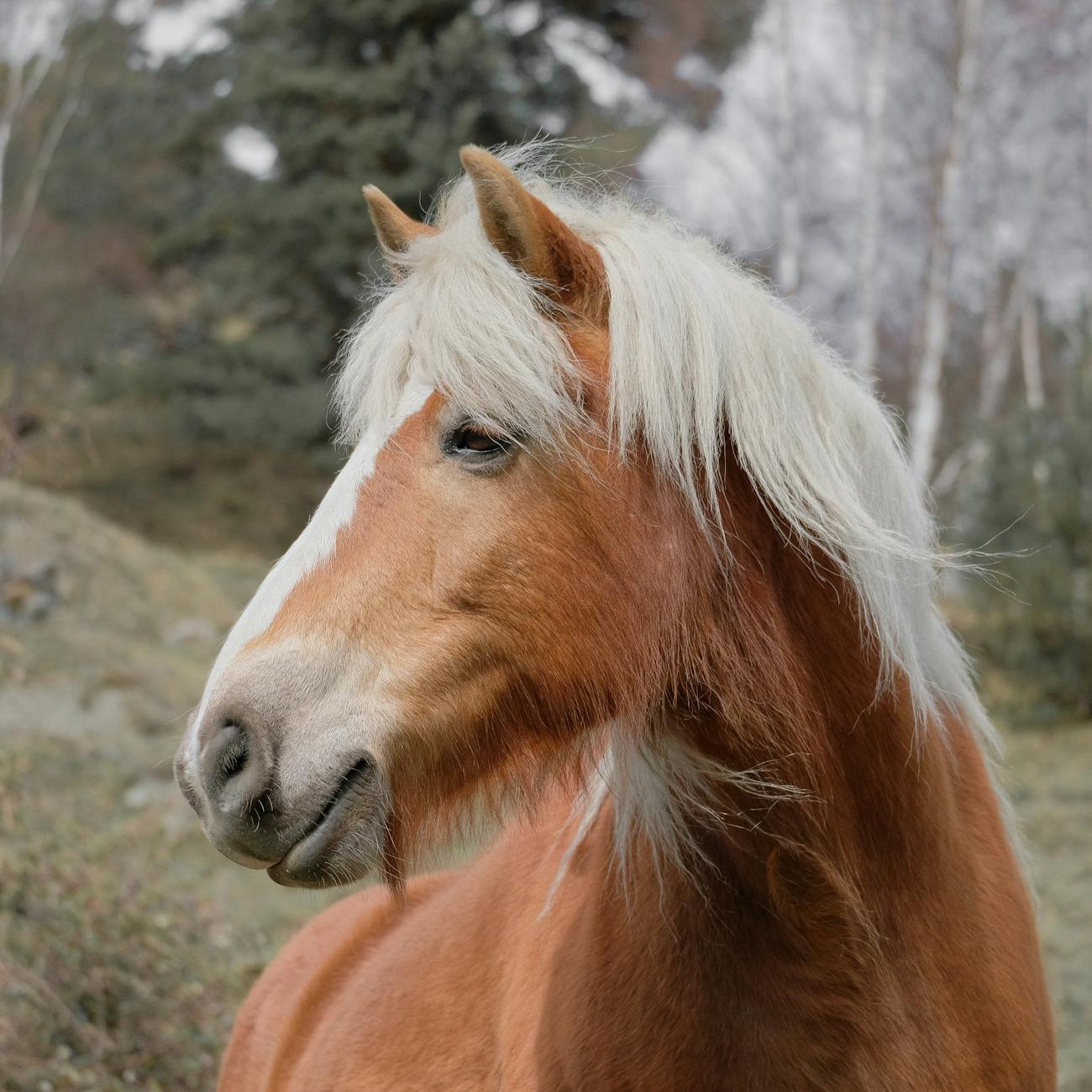
Large Animal Neurological Assessment is a critical component of the Advanced Certificate in Animal Physical Therapy. It involves the evaluation of the nervous system in large animals, such as horses and cattle, to identify any signs of neurological dysfunction. The following key terms and vocabulary are essential for understanding Large Animal Neurological Assessment:
1. Neurological Examination: A series of tests used to evaluate the function of the nervous system in animals. It includes assessing mental status, gait, posture, muscle tone, reflexes, and sensation. 2. Mental Status: The level of consciousness and awareness of the animal. It can be assessed by observing the animal's behavior, response to stimuli, and ability to follow commands. 3. Gait: The pattern of movement of the limbs during walking or running. Abnormalities in gait can indicate neurological dysfunction. 4. Posture: The position of the body and limbs relative to the ground. Abnormal posture can indicate weakness or stiffness in the muscles or joints. 5. Muscle Tone: The degree of tension in the muscles. Increased muscle tone can indicate spasticity or rigidity, while decreased muscle tone can indicate flaccidity or weakness. 6. Reflexes: Automatic responses to stimuli. Reflexes can be tested by tapping on specific bones or muscles with a reflex hammer. 7. Sensation: The ability to perceive touch, pain, temperature, and other stimuli. Sensation can be tested by applying stimuli to different parts of the body and observing the animal's response. 8. Spinal Cord: The bundle of nerves that runs through the vertebral column and transmits messages between the brain and the rest of the body. 9. Brainstem: The part of the brain that connects the brain to the spinal cord and controls vital functions such as breathing and heart rate. 10. Cerebellum: The part of the brain that controls coordination and balance. 11. Cerebrum: The largest part of the brain, responsible for higher cognitive functions such as thinking, learning, and memory. 12. Ataxia: A lack of coordination and balance, often caused by damage to the cerebellum. 13. Paresis: Weakness or partial paralysis of a limb or muscle. 14. Plegia: Complete paralysis of a limb or muscle. 15. Hyperreflexia: Overactive reflexes, often caused by damage to the brain or spinal cord. 16. Hyporeflexia: Underactive reflexes, often caused by damage to the peripheral nerves. 17. Proprioception: The ability to perceive the position and movement of the body and limbs. 18. Pain perception: The ability to perceive and respond to painful stimuli. 19. Equine Protozoal Myeloencephalitis (EPM): A neurological disease in horses caused by a parasite, which can cause weakness, ataxia, and other neurological symptoms. 20. Wobbler Syndrome: A neurological condition in horses and cattle characterized by spinal cord compression, which can cause ataxia, weakness, and other neurological symptoms.
Conducting a neurological examination in large animals involves several steps, including:
Observation: Observe the animal's behavior, posture, and gait from a distance. Look for any signs of abnormalities, such as head tilt, tremors, or dragging of the limbs.
Mental Status Examination: Approach the animal and assess its level of consciousness and awareness. Speak to the animal and observe its response.
Gait and Posture Analysis: Have the animal walk or trot in a straight line, and observe its gait and posture. Look for any signs of lameness, ataxia, or weakness.
Muscle Tone Assessment: Gently flex and extend the limbs, and assess the muscle tone. Look for any signs of rigidity or flaccidity.
Reflex Testing: Test the reflexes by tapping on specific bones or muscles with a reflex hammer. Look for any signs of hyperreflexia or hyporeflexia.
Sensation Testing: Apply stimuli to different parts of the body, and observe the animal's response. Look for any signs of abnormalities in pain perception or proprioception.
Diagnosis: Based on the results of the examination, the veterinarian may be able to make a diagnosis or recommend further diagnostic tests, such as imaging or laboratory tests.
Treatment: Treatment for neurological dysfunction in large animals may involve medication, physical therapy, or surgery. The goal of treatment is to alleviate symptoms, improve function, and enhance the animal's quality of life.
Conducting a neurological examination in large animals can be challenging, and it requires a thorough understanding of the anatomy and physiology of the nervous system. Some common challenges include:
Fear or Aggression: Some animals may be fearful or aggressive during the examination, which can make it difficult to perform the tests accurately.
Obesity: Obesity can make it challenging to assess posture and gait, as well as to perform reflex and sensation tests.
Age-related Changes: Age-related changes in the nervous system can affect the results of the examination, making it difficult to distinguish between normal aging and neurological dysfunction.
Coexisting Conditions: Coexisting conditions, such as musculoskeletal or respiratory problems, can affect the results of the examination and complicate the diagnosis and treatment of neurological dysfunction.
In conclusion, Large Animal Neurological Assessment is a critical component of the Advanced Certificate in Animal Physical Therapy. It involves the evaluation of the nervous system in large animals, such as horses and cattle, to identify any signs of neurological dysfunction. Understanding the key terms and vocabulary, as well as the steps involved in conducting a neurological examination, is essential for providing effective physical therapy to these animals. Challenges in conducting a neurological examination in large animals can include fear or aggression, obesity, age-related changes, and coexisting conditions. However, with proper training and experience, these challenges can be overcome, and physical therapists can play an essential role in improving the function and quality of life of large animals with neurological dysfunction.
Key takeaways
- It involves the evaluation of the nervous system in large animals, such as horses and cattle, to identify any signs of neurological dysfunction.
- Wobbler Syndrome: A neurological condition in horses and cattle characterized by spinal cord compression, which can cause ataxia, weakness, and other neurological symptoms.
- Look for any signs of abnormalities, such as head tilt, tremors, or dragging of the limbs.
- Mental Status Examination: Approach the animal and assess its level of consciousness and awareness.
- Gait and Posture Analysis: Have the animal walk or trot in a straight line, and observe its gait and posture.
- Muscle Tone Assessment: Gently flex and extend the limbs, and assess the muscle tone.
- Reflex Testing: Test the reflexes by tapping on specific bones or muscles with a reflex hammer.