
Exotic Animal Physical Therapy Modalities
Exotic Animal Physical Therapy Modalities -----------------------------------
Exotic Animal Physical Therapy Modalities -----------------------------------
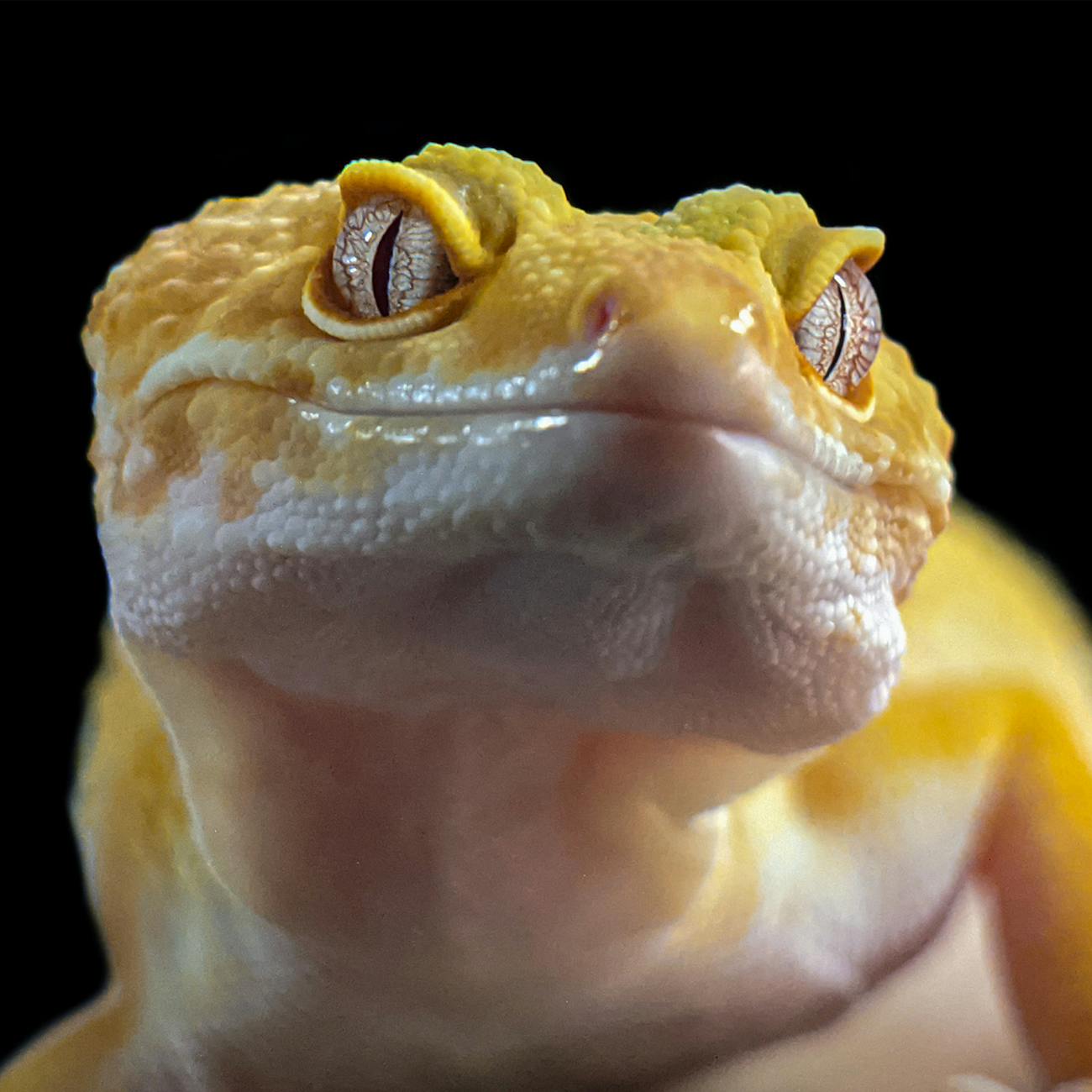
Exotic animal physical therapy is a growing field that focuses on the rehabilitation and preservation of the health and well-being of non-domestic animals. This advanced certificate course will cover various physical therapy modalities used to treat exotic animals, including manual therapies, therapeutic exercises, thermal and electrical modalities, and hydrotherapy.
### Manual Therapies
Manual therapies involve the use of hands-on techniques to diagnose and treat soft tissue and joint restrictions, improve circulation, reduce pain and inflammation, and promote healing. Some of the manual therapies used in exotic animal physical therapy include:
* **Soft Tissue Mobilization (STM)**: STM is a hands-on technique used to break up adhesions and scar tissue in the soft tissues, improve circulation, and reduce pain and inflammation. * **Joint Mobilization (JM)**: JM is a hands-on technique used to improve joint range of motion, reduce pain and inflammation, and promote healing. * **Myofascial Release (MFR)**: MFR is a hands-on technique used to release restrictions in the fascial system, improve soft tissue mobility, and reduce pain and inflammation. * **Strain-Counterstrain (SCS)**: SCS is a hands-on technique used to reduce muscle spasms, improve soft tissue mobility, and reduce pain and inflammation.
### Therapeutic Exercises
Therapeutic exercises are specific movements and activities designed to improve strength, flexibility, balance, and coordination in exotic animals. Some of the therapeutic exercises used in exotic animal physical therapy include:
* **Range of Motion (ROM) Exercises**: ROM exercises are designed to improve joint mobility and flexibility in exotic animals. * **Strengthening Exercises**: Strengthening exercises are designed to improve muscle strength and endurance in exotic animals. * **Balance and Coordination Exercises**: Balance and coordination exercises are designed to improve stability, proprioception, and movement patterns in exotic animals. * **Postural Correction Exercises**: Postural correction exercises are designed to improve posture and alignment in exotic animals.
### Thermal and Electrical Modalities
Thermal and electrical modalities are non-invasive treatments that use heat, cold, or electricity to reduce pain and inflammation, promote healing, and improve function in exotic animals. Some of the thermal and electrical modalities used in exotic animal physical therapy include:
* **Thermotherapy**: Thermotherapy involves the use of heat to reduce pain and inflammation, improve circulation, and promote healing in exotic animals. This can be achieved through the use of hot packs, heating pads, or therapeutic ultrasound. * **Cryotherapy**: Cryotherapy involves the use of cold to reduce pain and inflammation, decrease muscle spasms, and promote healing in exotic animals. This can be achieved through the use of ice packs, cold compresses, or cold laser therapy. * **Transcutaneous Electrical Nerve Stimulation (TENS)**: TENS involves the use of low-voltage electrical current to stimulate nerves and reduce pain and inflammation in exotic animals. * **Neuromuscular Electrical Stimulation (NMES)**: NMES involves the use of electrical current to stimulate muscles and improve strength, endurance, and function in exotic animals.
### Hydrotherapy
Hydrotherapy involves the use of water to reduce pain and inflammation, promote healing, and improve function in exotic animals. This can be achieved through the use of underwater treadmills, swimming pools, or whirlpools. Some of the benefits of hydrotherapy in exotic animal physical therapy include:
* **Reduced Impact**: Hydrotherapy provides a low-impact environment for exotic animals to exercise, reducing the risk of injury and pain. * **Increased Resistance**: The resistance of water provides an added challenge for exotic animals to build strength and endurance. * **Improved Circulation**: The pressure of water against the skin helps to improve circulation, reducing pain and inflammation. * **Psychological Benefits**: Hydrotherapy can provide exotic animals with mental stimulation and enrichment, reducing stress and improving overall well-being.
### Practical Applications and Challenges
Exotic animal physical therapy requires a unique set of skills and knowledge to effectively diagnose and treat non-domestic animals. Practitioners must have a solid understanding of exotic animal anatomy, physiology, and behavior, as well as the ability to adapt traditional physical therapy techniques to meet the specific needs of exotic species.
One of the challenges of exotic animal physical therapy is the limited availability of research and evidence-based practices specific to non-domestic species. Practitioners must often rely on anecdotal evidence and extrapolation from domestic animal research to inform their treatment decisions.
Another challenge is the limited access to exotic animal patients, as many non-domestic species are protected by laws and regulations that limit their use in research and clinical settings. Practitioners must often work with wildlife rehabilitation centers, zoos, and aquariums to gain access to exotic animal patients for treatment and rehabilitation.
Despite these challenges, exotic animal physical therapy offers a unique and rewarding opportunity to contribute to the conservation and well-being of non-domestic species. Practitioners can play a critical role in improving the quality of life for exotic animals in need of rehabilitation and promoting the health and well-being of exotic species in captive and wild settings.
### Conclusion
Exotic animal physical therapy is a specialized field that requires a deep understanding of non-domestic animal anatomy, physiology, and behavior. Practitioners must be able to adapt traditional physical therapy techniques to meet the unique needs of exotic species and be prepared to work in a variety of settings, including wildlife rehabilitation centers, zoos, and aquariums.
Through the use of manual therapies, therapeutic exercises, thermal and electrical modalities, and hydrotherapy, exotic animal physical therapists can help reduce pain and inflammation, promote healing, and improve function in non-domestic species. While there are challenges to working with exotic animals, the rewards of contributing to their conservation and well-being make this a fulfilling and important field.
FAQs ----
1. **What is exotic animal physical therapy?** Exotic animal physical therapy is a specialized field that focuses on the rehabilitation and preservation of the health and well-being of non-domestic animals. 2. **What types of manual therapies are used in exotic animal physical therapy?** Some of the manual therapies used in exotic animal physical therapy include soft tissue mobilization, joint mobilization, myofascial release, and strain-counterstrain. 3. **What are some examples of therapeutic exercises used in exotic animal physical therapy?** Therapeutic exercises used in exotic animal physical therapy include range of motion exercises, strengthening exercises, balance and coordination exercises, and postural correction exercises. 4. **What are thermal and electrical modalities in exotic animal physical therapy?** Thermal and electrical modalities in exotic animal physical therapy include thermotherapy, cryotherapy, transcutaneous electrical nerve stimulation, and neuromuscular electrical stimulation. 5. **What is hydrotherapy in exotic animal physical therapy?** Hydrotherapy in exotic animal physical therapy involves the use of water to reduce pain and inflammation, promote healing, and improve function in exotic animals. 6. **What are some challenges of exotic animal physical therapy?** Challenges of exotic animal physical therapy include limited availability of research and evidence-based practices specific to non-domestic species and limited access to exotic animal patients. 7. **What are the benefits of exotic animal physical therapy?** Exotic animal physical therapy can help reduce pain and inflammation, promote healing, and improve function in non-domestic species, contributing to their conservation and well-being.
Key takeaways
- This advanced certificate course will cover various physical therapy modalities used to treat exotic animals, including manual therapies, therapeutic exercises, thermal and electrical modalities, and hydrotherapy.
- Manual therapies involve the use of hands-on techniques to diagnose and treat soft tissue and joint restrictions, improve circulation, reduce pain and inflammation, and promote healing.
- * **Soft Tissue Mobilization (STM)**: STM is a hands-on technique used to break up adhesions and scar tissue in the soft tissues, improve circulation, and reduce pain and inflammation.
- Therapeutic exercises are specific movements and activities designed to improve strength, flexibility, balance, and coordination in exotic animals.
- * **Balance and Coordination Exercises**: Balance and coordination exercises are designed to improve stability, proprioception, and movement patterns in exotic animals.
- Thermal and electrical modalities are non-invasive treatments that use heat, cold, or electricity to reduce pain and inflammation, promote healing, and improve function in exotic animals.
- * **Transcutaneous Electrical Nerve Stimulation (TENS)**: TENS involves the use of low-voltage electrical current to stimulate nerves and reduce pain and inflammation in exotic animals.