
Equine Biomechanics and Gait Analysis
Equine Biomechanics and Gait Analysis are essential components of the Advanced Certificate in Animal Physical Therapy. These concepts involve the study of the mechanical laws relating to the movement or structure of horses, and the analysis…
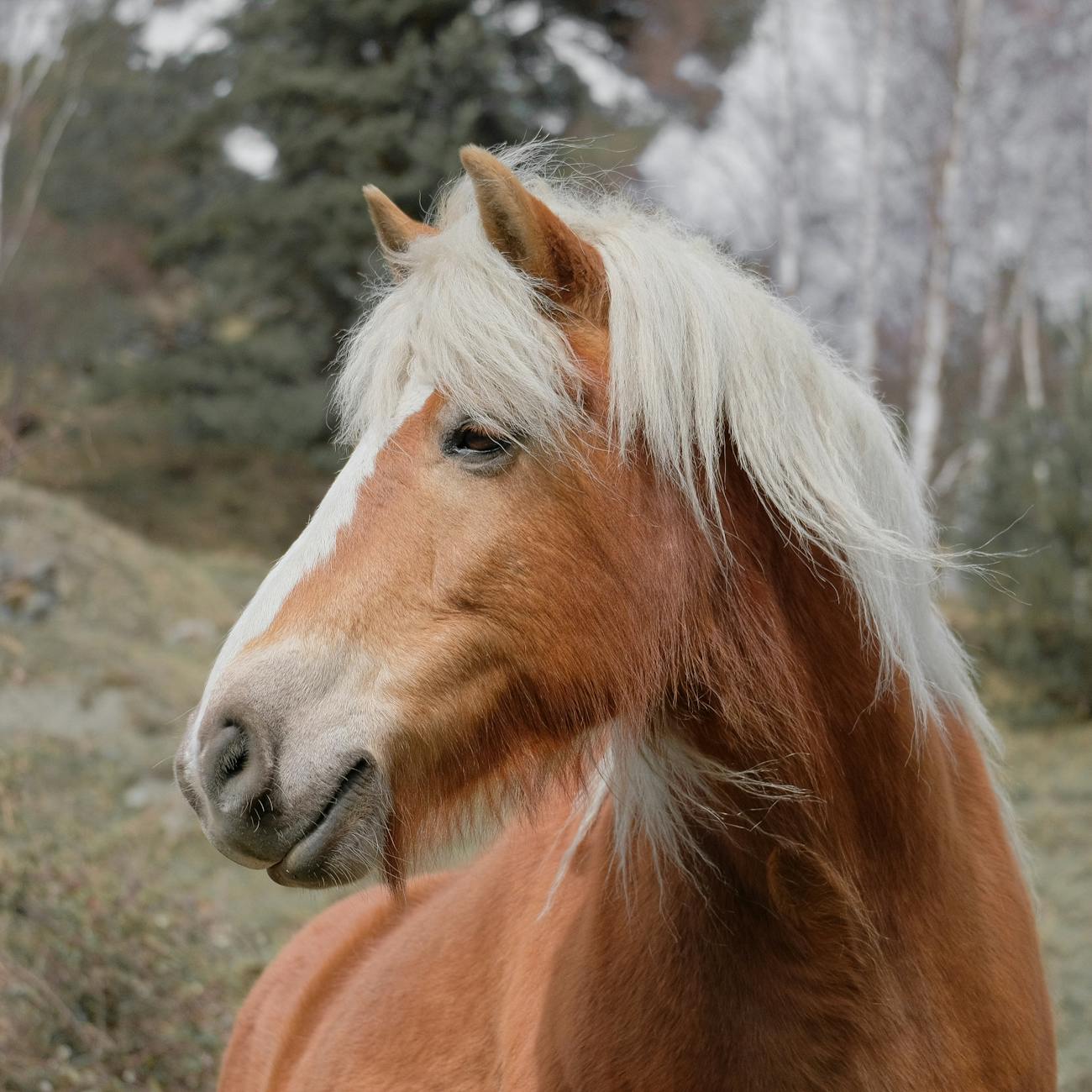
Equine Biomechanics and Gait Analysis are essential components of the Advanced Certificate in Animal Physical Therapy. These concepts involve the study of the mechanical laws relating to the movement or structure of horses, and the analysis of their walking or running cycles. Understanding these terms is crucial to evaluating and improving a horse's performance, preventing injuries, and developing effective rehabilitation strategies.
Biomechanics is the application of mechanical laws to living organisms. In the context of horses, equine biomechanics refers to the study of the forces that act on a horse's body during movement and the effects of those forces on the horse's structure and function. Biomechanics can help us understand how a horse's body works, how it moves, and how it responds to different conditions and interventions.
Gait is a pattern of movement that involves a series of steps or cycles. Horses have several different gaits, including the walk, trot, canter, and gallop. Gait analysis is the process of evaluating a horse's gait to identify any abnormalities or areas for improvement. Gait analysis can help us understand how a horse moves, how it uses its body, and how it can be trained to move more efficiently and effectively.
Kinematics is the study of motion without regard to the forces that cause the motion. In equine biomechanics, kinematics involves analyzing the position, velocity, and acceleration of different parts of a horse's body during movement. Kinematic analysis can help us understand how a horse's body moves, how it transfers weight and force, and how it adapts to different surfaces and tasks.
Kinetics is the study of the forces that cause motion. In equine biomechanics, kinetics involves analyzing the forces that act on a horse's body during movement, such as ground reaction forces, muscle forces, and joint forces. Kinetic analysis can help us understand how a horse's body generates and absorbs force, how it responds to different training and conditioning strategies, and how it can be optimized for performance and health.
Force plates are devices that measure the ground reaction forces that act on a horse's limbs during movement. Force plates can provide valuable information about a horse's weight-bearing patterns, balance, and symmetry. Force plate analysis can help us identify any areas of weakness or imbalance, develop targeted training and conditioning programs, and monitor progress over time.
Inertial measurement units (IMUs) are small devices that measure acceleration, angular velocity, and magnetic field strength. IMUs can be attached to a horse's body to provide real-time data about its movement and posture. IMU analysis can help us understand how a horse moves in three dimensions, how it transfers weight and force between limbs, and how it responds to different training and conditioning strategies.
Gait analysis software is software that can be used to analyze and interpret gait data. Gait analysis software can provide detailed information about a horse's movement patterns, including stride length, stance time, and symmetry. Gait analysis software can also help us identify any areas of weakness or imbalance, develop targeted training and conditioning programs, and monitor progress over time.
Pressure mapping is the process of measuring the pressure distribution between a horse's hooves and the ground. Pressure mapping can provide valuable information about a horse's weight-bearing patterns, balance, and symmetry. Pressure mapping analysis can help us identify any areas of excessive pressure or loading, develop targeted training and conditioning programs, and monitor progress over time.
Conformation is the shape and structure of a horse's body. Conformation analysis involves evaluating a horse's skeletal and muscular systems to identify any areas of weakness or imbalance. Conformation analysis can help us understand how a horse's body is designed to move, how it transfers weight and force, and how it can be optimized for performance and health.
Locomotion is the act of moving from one place to another. Locomotion analysis involves evaluating a horse's movement patterns to identify any areas of weakness or imbalance. Locomotion analysis can help us understand how a horse moves in different environments and situations, how it transfers weight and force, and how it can be optimized for performance and health.
Range of motion (ROM) is the degree of movement in a joint or series of joints. ROM analysis involves measuring the degree of movement in a horse's joints during movement. ROM analysis can help us understand how a horse's body moves, how it transfers weight and force, and how it can be optimized for performance and health.
Muscle activation is the process of recruiting and firing muscle fibers during movement. Muscle activation analysis involves measuring the electrical activity of a horse's muscles during movement. Muscle activation analysis can help us understand how a horse's muscles work together, how they generate and absorb force, and how they can be optimized for performance and health.
Energy expenditure is the amount of energy required to perform a task or activity. Energy expenditure analysis involves measuring the amount of energy a horse uses during movement. Energy expenditure analysis can help us understand how a horse's body uses energy, how it can be optimized for performance and health, and how it responds to different training and conditioning strategies.
Stride length is the distance between two consecutive footfalls of the same limb. Stride length analysis involves measuring the distance between two consecutive footfalls of the same limb during movement. Stride length analysis can help us understand how a horse moves, how it generates and absorbs force, and how it can be optimized for performance and health.
Stance time is the amount of time a horse's limb is in contact with the ground during movement. Stance time analysis involves measuring the amount of time a horse's limb is in contact with the ground during movement. Stance time analysis can help us understand how a horse's body transfers weight and force, how it adapts to different surfaces and tasks, and how it can be optimized for performance and health.
Symmetry is the balance and harmony of movement between limbs. Symmetry analysis involves evaluating the similarity and consistency of movement between limbs during movement. Symmetry analysis can help us understand how a horse's body moves as a whole, how it generates and absorbs force, and how it can be optimized for performance and health.
In summary, Equine Biomechanics and Gait Analysis are essential components of the Advanced Certificate in Animal Physical Therapy. Understanding the key terms and vocabulary associated with these concepts can help us evaluate and improve a horse's performance, prevent injuries, and develop effective rehabilitation strategies. By analyzing kinematics, kinetics, force plates, IMUs, gait analysis software, pressure mapping, conformation, locomotion, range of motion, muscle activation, energy expenditure, stride length, stance time, and symmetry, we can gain valuable insights into a horse's movement patterns, strengths, and weaknesses. With this knowledge, we can develop targeted training and conditioning programs, monitor progress over time, and help horses achieve their full potential.
Key takeaways
- Understanding these terms is crucial to evaluating and improving a horse's performance, preventing injuries, and developing effective rehabilitation strategies.
- In the context of horses, equine biomechanics refers to the study of the forces that act on a horse's body during movement and the effects of those forces on the horse's structure and function.
- Gait analysis can help us understand how a horse moves, how it uses its body, and how it can be trained to move more efficiently and effectively.
- Kinematic analysis can help us understand how a horse's body moves, how it transfers weight and force, and how it adapts to different surfaces and tasks.
- Kinetic analysis can help us understand how a horse's body generates and absorbs force, how it responds to different training and conditioning strategies, and how it can be optimized for performance and health.
- Force plate analysis can help us identify any areas of weakness or imbalance, develop targeted training and conditioning programs, and monitor progress over time.
- IMU analysis can help us understand how a horse moves in three dimensions, how it transfers weight and force between limbs, and how it responds to different training and conditioning strategies.