
Introduction to Immersive Interior Design
Immersive Interior Design is an innovative approach to creating interior spaces that engage the senses and evoke emotional responses. This field combines traditional interior design principles with cutting-edge technology and interactive el…
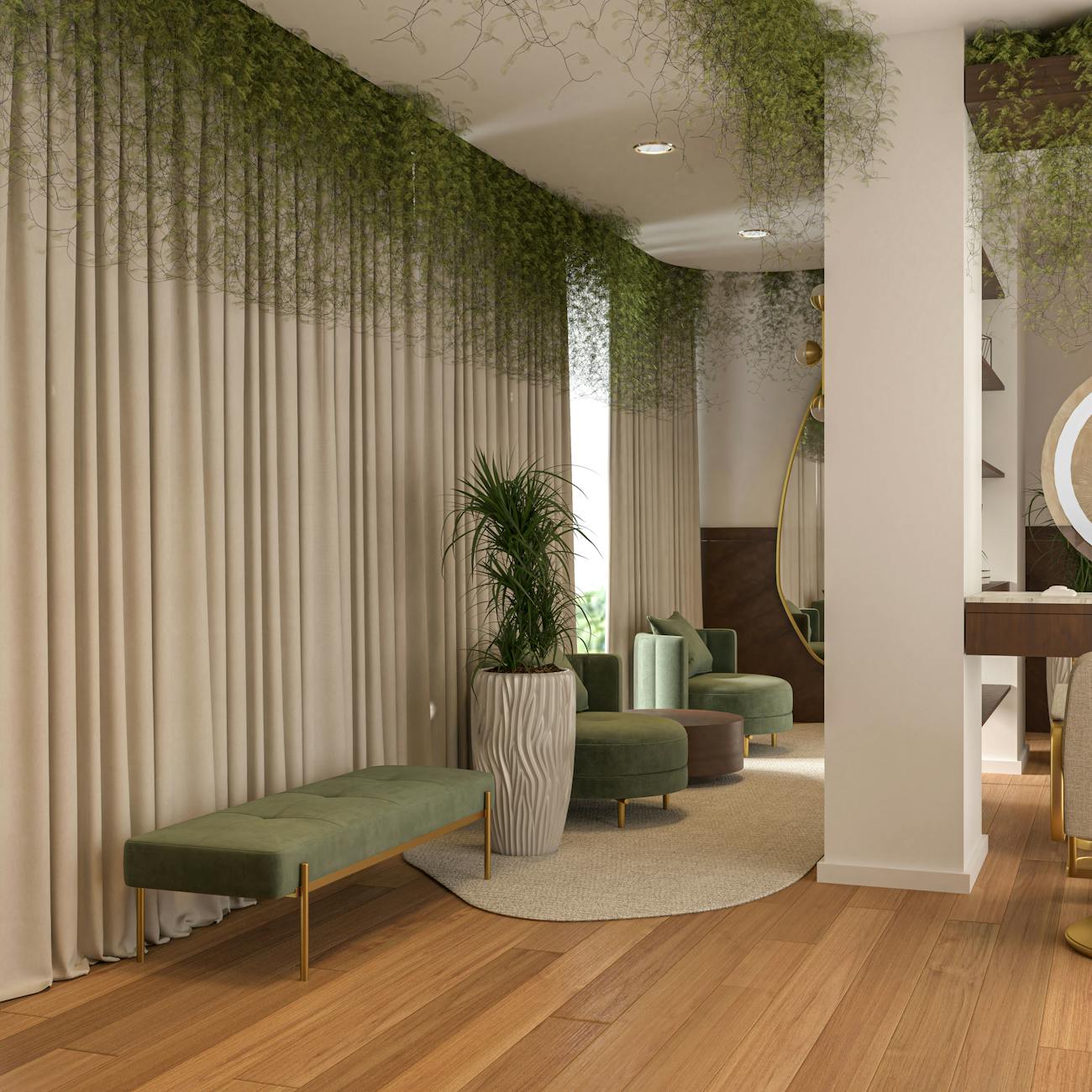
Immersive Interior Design is an innovative approach to creating interior spaces that engage the senses and evoke emotional responses. This field combines traditional interior design principles with cutting-edge technology and interactive elements to create truly unique and engaging environments. In this explanation, we will explore some of the key terms and vocabulary associated with Introduction to Immersive Interior Design in the course Professional Certificate in Immersive Interior Design.
1. Immersive Environment: An immersive environment is a space that engages all five senses and creates a fully interactive experience for the user. This can be achieved through the use of lighting, sound, texture, and technology. 2. Virtual Reality (VR): Virtual reality is a computer-generated simulation of a three-dimensional environment that can be experienced through the use of specialized headsets and controllers. In immersive interior design, VR can be used to create virtual walkthroughs of proposed designs, allowing clients to experience the space before it is built. 3. Augmented Reality (AR): Augmented reality is a technology that superimposes digital information onto the real world, creating a hybrid environment. In immersive interior design, AR can be used to show clients how furniture and decor will look in a space before they make a purchase. 4. Mixed Reality (MR): Mixed reality is a blend of virtual and augmented reality, creating an environment where digital and physical objects coexist. In immersive interior design, MR can be used to create interactive installations that respond to user input. 5. 3D Modeling: 3D modeling is the process of creating a three-dimensional representation of an object or space. In immersive interior design, 3D modeling can be used to create detailed designs and visualizations of proposed spaces. 6. Haptic Feedback: Haptic feedback is the use of technology to simulate the sense of touch. In immersive interior design, haptic feedback can be used in VR headsets and controllers to create a more immersive experience. 7. Projection Mapping: Projection mapping is the use of technology to project images and videos onto physical surfaces, creating an immersive and interactive environment. In immersive interior design, projection mapping can be used to create dynamic and engaging installations. 8. Interactive Design: Interactive design is the process of creating spaces and objects that respond to user input. In immersive interior design, interactive design can be used to create installations that engage users and encourage exploration. 9. Sensory Design: Sensory design is the practice of designing spaces that engage the senses and create emotional responses. In immersive interior design, sensory design can be used to create spaces that evoke specific moods and feelings. 10. User Experience (UX) Design: UX design is the process of designing spaces and products that are intuitive and user-friendly. In immersive interior design, UX design can be used to create spaces that are easy to navigate and provide a seamless user experience. 11. Internet of Things (IoT): IoT refers to the network of physical devices, vehicles, and buildings that are connected to the internet and can communicate with each other. In immersive interior design, IoT can be used to create smart spaces that respond to user input and adapt to changing needs. 12. Biophilic Design: Biophilic design is the practice of incorporating natural elements into interior spaces. In immersive interior design, biophilic design can be used to create spaces that connect users with nature and promote well-being. 13. Color Psychology: Color psychology is the study of how color affects human behavior and emotion. In immersive interior design, color psychology can be used to create spaces that evoke specific moods and feelings. 14. Ergonomics: Ergonomics is the study of how objects and spaces can be designed to fit the human body and promote comfort and efficiency. In immersive interior design, ergonomics can be used to create spaces that are comfortable and functional for users. 15. Sustainable Design: Sustainable design is the practice of designing spaces and products that are environmentally friendly and promote sustainability. In immersive interior design, sustainable design can be used to create spaces that are energy-efficient and made from eco-friendly materials.
Practical Applications:
Immersive interior design has a wide range of practical applications, including:
* Retail spaces: Immersive interior design can be used to create engaging and interactive retail spaces that encourage customers to explore and make purchases. * Museums and exhibitions: Immersive interior design can be used to create dynamic and engaging exhibitions that educate and entertain visitors. * Hospitality spaces: Immersive interior design can be used to create unique and memorable hospitality spaces, such as hotels, restaurants, and bars. * Corporate offices: Immersive interior design can be used to create innovative and inspiring corporate offices that promote creativity and productivity. * Public spaces: Immersive interior design can be used to create engaging and interactive public spaces, such as parks, transportation hubs, and community centers.
Challenges:
While immersive interior design offers many exciting possibilities, there are also some challenges to consider, including:
* Cost: Immersive interior design can be expensive, as it often requires specialized equipment and technology. * Technical expertise: Immersive interior design requires a high level of technical expertise, as it involves the use of cutting-edge technology and software. * User accessibility: Some users may not have access to the necessary technology to experience immersive interior design, such as VR headsets or AR-enabled devices. * Ethical considerations: The use of immersive technology in interior design raises ethical considerations, such as privacy concerns and the potential for sensory overload.
Examples:
Here are some examples of immersive interior design in action:
* The Void: The Void is a virtual reality theme park that combines physical sets, virtual reality headsets, and haptic feedback to create fully immersive experiences. * Refik Anadol's "Infinity Room": Refik Anadol's "Infinity Room" is a projection mapping installation that creates the illusion of infinite space and encourages visitors to explore and interact with the environment. * TeamLab Borderless: TeamLab Borderless is a digital art museum in Tokyo that features a variety of immersive installations, including projection mapping, AR, and VR experiences. * The National September 11 Memorial & Museum: The National September 11 Memorial & Museum uses immersive technology to tell the story of the September 11 attacks and honor the victims. The museum features a variety of interactive exhibits, including a virtual walkthrough of the World Trade Center site. * The Edge: The Edge is a corporate office building in Amsterdam that features a variety of immersive design elements, including a "smart" lighting system that adjusts to the needs of individual employees and an interactive art installation that responds to user input.
Conclusion:
Immersive interior design is an exciting and innovative field that combines traditional interior design principles with cutting-edge technology and interactive elements to create truly unique and engaging environments. By understanding key terms and vocabulary, designers can create immersive spaces that evoke emotional responses, engage the senses, and promote well-being. While there are challenges to consider, the possibilities for immersive interior design are endless, and the field is sure to continue to evolve and grow in the coming years.
Key takeaways
- In this explanation, we will explore some of the key terms and vocabulary associated with Introduction to Immersive Interior Design in the course Professional Certificate in Immersive Interior Design.
- Virtual Reality (VR): Virtual reality is a computer-generated simulation of a three-dimensional environment that can be experienced through the use of specialized headsets and controllers.
- * Public spaces: Immersive interior design can be used to create engaging and interactive public spaces, such as parks, transportation hubs, and community centers.
- * Ethical considerations: The use of immersive technology in interior design raises ethical considerations, such as privacy concerns and the potential for sensory overload.
- * Refik Anadol's "Infinity Room": Refik Anadol's "Infinity Room" is a projection mapping installation that creates the illusion of infinite space and encourages visitors to explore and interact with the environment.
- Immersive interior design is an exciting and innovative field that combines traditional interior design principles with cutting-edge technology and interactive elements to create truly unique and engaging environments.