
Lighting Design for Immersive Spaces
Lighting Design for Immersive Spaces is a crucial aspect of the Professional Certificate in Immersive Interior Design. Proper lighting design can create a welcoming and engaging atmosphere, enhance the overall design, and contribute to the …
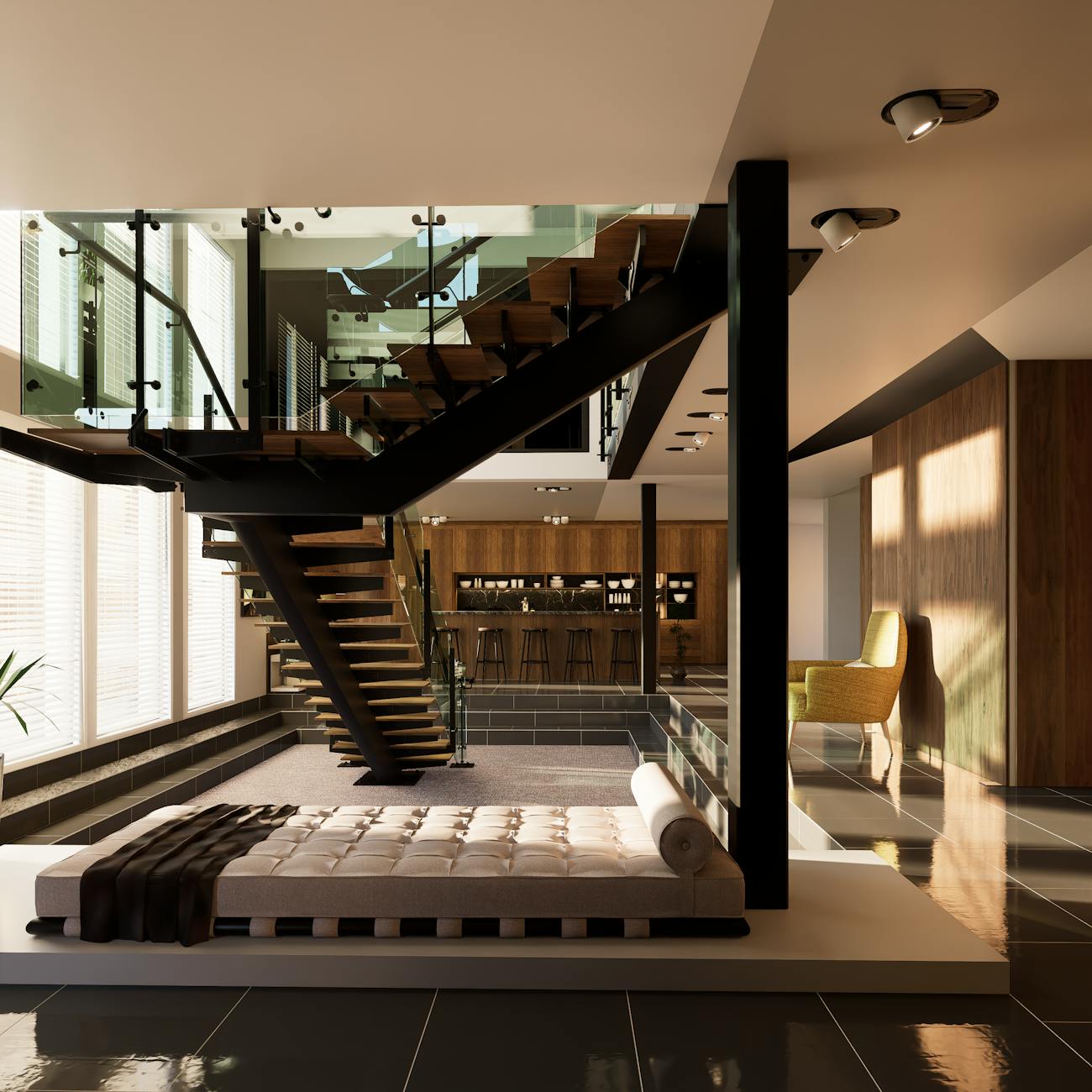
Lighting Design for Immersive Spaces is a crucial aspect of the Professional Certificate in Immersive Interior Design. Proper lighting design can create a welcoming and engaging atmosphere, enhance the overall design, and contribute to the functionality of the space. In this explanation, we will cover key terms and vocabulary related to lighting design, including lighting layers, color temperature, luminance, and more.
Lighting Layers: Lighting layers refer to the different types of lighting used in a space to create a layered effect. The three main lighting layers are ambient, task, and accent lighting.
Ambient Lighting: Ambient lighting, also known as general lighting, provides overall illumination for a space. It can be achieved through natural light, recessed lighting, or wall sconces. The goal of ambient lighting is to create a comfortable level of brightness without any glare.
Task Lighting: Task lighting is used to provide focused light on a specific area where a task is being performed. This can include under-cabinet lighting in a kitchen, a desk lamp in an office, or reading lights in a living room. Task lighting should be bright enough to prevent eye strain but not so bright as to create glare.
Accent Lighting: Accent lighting is used to highlight specific features or objects in a space. This can include track lighting, wall washers, or picture lights. Accent lighting should be approximately three times brighter than the surrounding ambient lighting to create a noticeable contrast.
Color Temperature: Color temperature refers to the color appearance of a light source. It is measured in degrees Kelvin (K) and ranges from warm (low K) to cool (high K) tones. Warm light has a red or yellow hue and is typically used in residential spaces to create a cozy and inviting atmosphere. Cool light has a blue or white hue and is typically used in commercial spaces to promote alertness and productivity.
Luminance: Luminance refers to the amount of light emitted by a surface. It is measured in candelas per square meter (cd/m2) and affects the brightness and contrast of a space. Proper luminance can enhance the visual interest of a space and contribute to the overall design.
Lighting Controls: Lighting controls allow for the adjustment of lighting levels and can include dimmers, timers, and motion sensors. Lighting controls can contribute to energy efficiency, improve functionality, and enhance the overall design of a space.
LED Lighting: LED (Light Emitting Diode) lighting is a type of energy-efficient lighting that uses semiconductors to convert electricity into light. LED lighting has a longer lifespan, lower energy consumption, and lower heat output compared to traditional incandescent bulbs.
Light Reflectance Value (LRV): Light Reflectance Value (LRV) is a measure of the amount of light a surface reflects. It is measured on a scale of 0 to 100, with 0 representing a black surface and 100 representing a white surface. LRV affects the overall brightness and contrast of a space and should be considered when selecting lighting and finishes.
Cove Lighting: Cove lighting is a type of indirect lighting that is recessed into a ceiling or shelf. It provides a soft and even distribution of light and can be used to create a subtle and inviting atmosphere.
Grazing: Grazing is a lighting technique used to highlight textures and details on a surface. It involves placing a light source close to the surface and aiming it at a sharp angle.
Washing: Washing is a lighting technique used to evenly distribute light over a large surface. It involves placing a light source at a distance from the surface and aiming it directly at the surface.
Glare: Glare is a visual discomfort caused by excessive brightness in a space. Glare can be prevented by using indirect lighting, diffusers, and proper placement of light sources.
Uplighting: Uplighting is a lighting technique used to create a wash of light on a ceiling or wall. It can be used to create a dramatic and inviting atmosphere.
Downlighting: Downlighting is a lighting technique used to provide direct lighting from a ceiling. It can be used to create a task-oriented lighting environment.
In conclusion, lighting design for immersive spaces is a crucial aspect of immersive interior design. Proper lighting design can create a welcoming and engaging atmosphere, enhance the overall design, and contribute to the functionality of the space. By understanding key terms and vocabulary related to lighting design, designers can make informed decisions and create successful and impactful designs. Examples and practical applications of these concepts can include using ambient lighting to create a comfortable level of brightness, task lighting to provide focused light on a specific area, and accent lighting to highlight specific features or objects in a space. Challenges in lighting design may include balancing color temperature, luminance, and lighting controls to create a cohesive and functional space.
Key takeaways
- In this explanation, we will cover key terms and vocabulary related to lighting design, including lighting layers, color temperature, luminance, and more.
- Lighting Layers: Lighting layers refer to the different types of lighting used in a space to create a layered effect.
- Ambient Lighting: Ambient lighting, also known as general lighting, provides overall illumination for a space.
- Task Lighting: Task lighting is used to provide focused light on a specific area where a task is being performed.
- Accent lighting should be approximately three times brighter than the surrounding ambient lighting to create a noticeable contrast.
- Warm light has a red or yellow hue and is typically used in residential spaces to create a cozy and inviting atmosphere.
- It is measured in candelas per square meter (cd/m2) and affects the brightness and contrast of a space.