
Spatial Planning and Furniture Design
Spatial Planning and Furniture Design are two fundamental aspects of Immersive Interior Design. In this explanation, we will delve into the key terms and vocabulary related to these concepts.
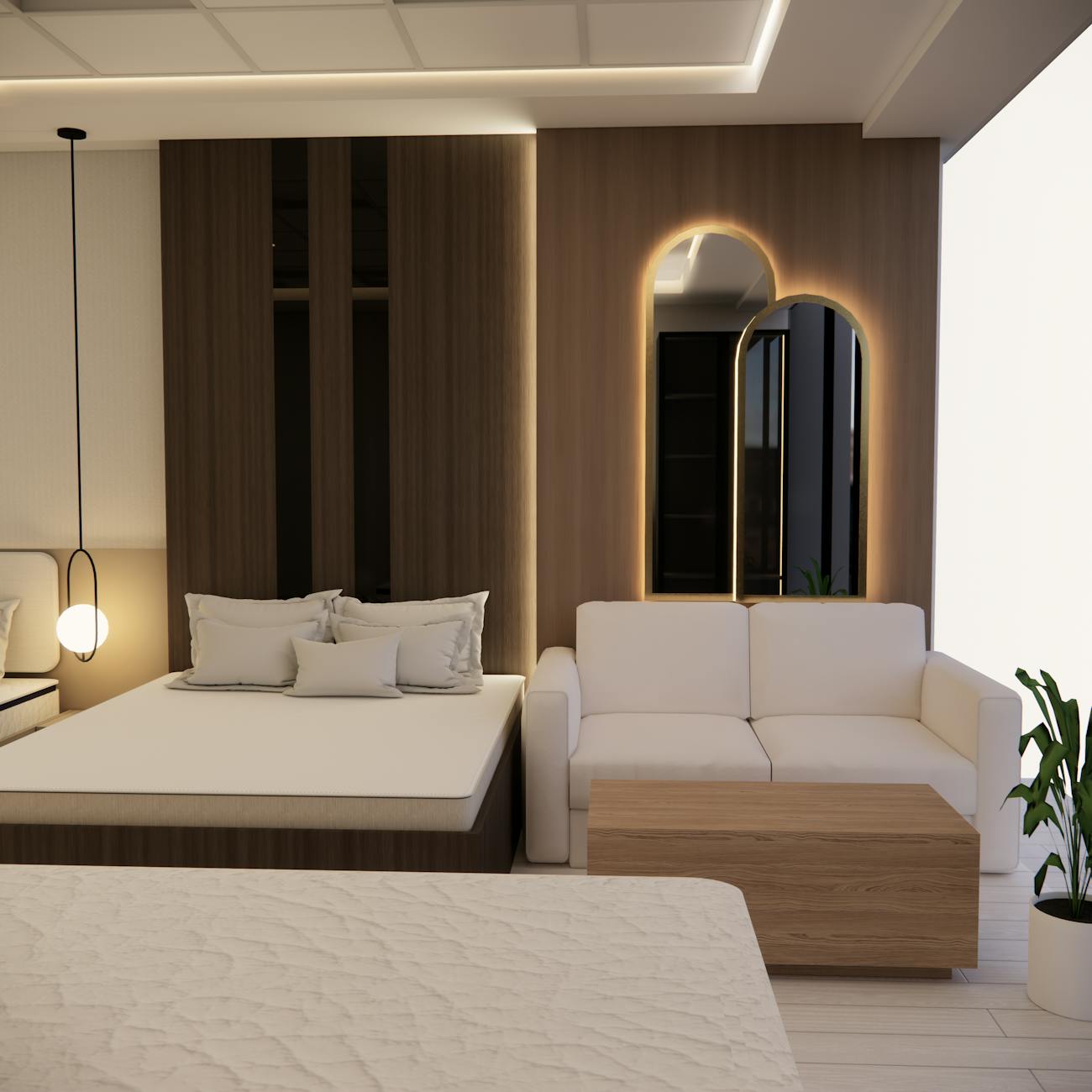
Spatial Planning and Furniture Design are two fundamental aspects of Immersive Interior Design. In this explanation, we will delve into the key terms and vocabulary related to these concepts.
Spatial Planning:
Spatial planning refers to the process of designing and organizing physical spaces to create functional, safe, and aesthetically pleasing environments. It involves analyzing the relationships between different spaces, activities, and users to create a cohesive and efficient layout.
Functional zoning is the practice of dividing a space into different areas based on their intended use. For example, a living room might be divided into zones for seating, entertainment, and relaxation.
Circulation refers to the pathways and movement areas within a space. Proper circulation is essential for ensuring safe and efficient movement throughout a space.
Proxemics is the study of how people use and perceive personal space. Understanding proxemics can help designers create spaces that feel comfortable and inviting.
Flexibility is the ability of a space to adapt to changing needs and uses over time. Flexible spaces can be reconfigured to accommodate different activities and functions.
Furniture Design:
Furniture design is the process of creating functional and aesthetically pleasing pieces of furniture. Furniture designers must consider factors such as ergonomics, materials, and manufacturing techniques.
Ergonomics is the study of how people interact with objects and spaces. In furniture design, ergonomics refers to creating pieces that are comfortable, functional, and safe for users.
Materials are the substances used to create furniture. Common materials include wood, metal, plastic, and fabric. Designers must consider the properties of each material, such as durability, weight, and texture.
Manufacturing techniques are the methods used to produce furniture. Common techniques include cutting, shaping, joining, and finishing. Designers must consider the cost, time, and skill required for each technique.
Sustainability is the practice of creating furniture that is environmentally friendly and socially responsible. Sustainable furniture design considers factors such as material sourcing, production processes, and end-of-life disposal.
Examples and Practical Applications:
When designing a space, spatial planning and furniture design work together to create a cohesive and functional environment. For example, a designer might use spatial planning to create zones for different activities within a room, such as a seating area for relaxation and a work area for productivity. Furniture design is then used to create pieces that fit within each zone, such as a comfortable sofa for relaxation and a functional desk for work.
In the example above, ergonomics is an essential consideration in furniture design. The sofa should be designed with proper cushioning and support to ensure comfort, while the desk should be the appropriate height and distance from the chair to promote good posture. Materials and manufacturing techniques are also crucial factors in furniture design. Wood or metal might be used for durability, while cutting and shaping techniques are used to create the desired shape and form.
Sustainability is an increasingly important consideration in both spatial planning and furniture design. Designers must consider the environmental impact of their choices, such as using sustainably sourced materials and minimizing waste in production processes.
Challenges:
One challenge in spatial planning is balancing the need for functionality with aesthetics. A space must be practical and efficient, but it should also be visually appealing and inviting. Designers must consider factors such as color, lighting, and texture to create a cohesive and harmonious environment.
In furniture design, one challenge is creating pieces that are both functional and aesthetically pleasing. Designers must consider factors such as ergonomics, materials, and manufacturing techniques to create furniture that is comfortable, durable, and visually appealing.
Another challenge in both spatial planning and furniture design is considering the needs and preferences of different users. A space or piece of furniture that works well for one user might not work for another, so designers must consider factors such as age, ability, and culture when creating their designs.
Conclusion:
Spatial planning and furniture design are integral aspects of immersive interior design. Understanding the key terms and vocabulary related to these concepts is essential for creating functional, safe, and aesthetically pleasing environments. By considering factors such as ergonomics, materials, and sustainability, designers can create spaces and furniture that meet the needs and preferences of different users.
FAQs:
1. What is the difference between spatial planning and furniture design? Spatial planning refers to the process of designing and organizing physical spaces, while furniture design is the process of creating functional and aesthetically pleasing pieces of furniture. 2. Why is ergonomics important in furniture design? Ergonomics is important in furniture design because it ensures that pieces are comfortable, functional, and safe for users. 3. What is sustainability in furniture design? Sustainability in furniture design refers to the practice of creating pieces that are environmentally friendly and socially responsible. 4. How can designers balance functionality and aesthetics in spatial planning? Designers can balance functionality and aesthetics in spatial planning by considering factors such as color, lighting, and texture to create a cohesive and harmonious environment. 5. Why is considering the needs and preferences of different users important in spatial planning and furniture design? Considering the needs and preferences of different users is important in spatial planning and furniture design because it ensures that spaces and furniture are accessible and usable by a wide range of people.
Key takeaways
- Spatial Planning and Furniture Design are two fundamental aspects of Immersive Interior Design.
- Spatial planning refers to the process of designing and organizing physical spaces to create functional, safe, and aesthetically pleasing environments.
- Functional zoning is the practice of dividing a space into different areas based on their intended use.
- Proper circulation is essential for ensuring safe and efficient movement throughout a space.
- Understanding proxemics can help designers create spaces that feel comfortable and inviting.
- Flexibility is the ability of a space to adapt to changing needs and uses over time.
- Furniture design is the process of creating functional and aesthetically pleasing pieces of furniture.